

- Nonpossessory Right: A property easement allows someone else to use a portion of your land for a specific purpose without owning it.
- Run with the Land: Most easements are appurtenant, meaning they remain attached to the property even after it is sold.
- Usability Restrictions: Easements limit what you can build or modify on affected areas of your property.
- Value Impact: While common utility easements rarely affect value, restrictive or high-impact easements can significantly reduce marketability.
- Discovery Is Essential: Easements are usually recorded in deeds or title reports, and failing to identify them before purchase can lead to costly disputes.
Introduction: The “Invisible” Property Right
Property ownership is often described as absolute—owning land “from the center of the earth to the sky above.” In reality, modern property ownership is far more nuanced. Nearly every homeowner shares some portion of their rights with others, often without realizing it. One of the most common ways this occurs is through a property easement.
Easements are frequently invisible. There may be no fence, sign, or marker indicating their presence, yet they quietly shape how land can be used, developed, or improved. Studies suggest that nearly 90% of residential properties are subject to at least one utility easement. While many of these easements are routine and minimally intrusive, others—such as conservation easements or access rights for neighboring parcels—can dramatically affect a property’s usability and value.
High-impact easements may restrict building, prevent subdivision, or limit future development. In some cases, properties burdened by restrictive easements experience value reductions ranging from 35% to 65%, depending on location and scope. These impacts often surprise homeowners because easements are typically discovered only during a title search or after a conflict arises.
Understanding easements is a critical subset of broader Property Law: The Complete Guide to Ownership & Rights. Ownership is not just about what you possess, but also about what rights you have agreed—or are legally required—to share. Mastering easements allows homeowners to protect their investment, avoid disputes, and make informed decisions about land use.
This guide explains what a property easement is, how different types affect homeowners, how easements are created and discovered, and what options exist when easements interfere with property goals.
1. What is an Easement in Real Estate?
The Legal Definition: Use vs. Ownership
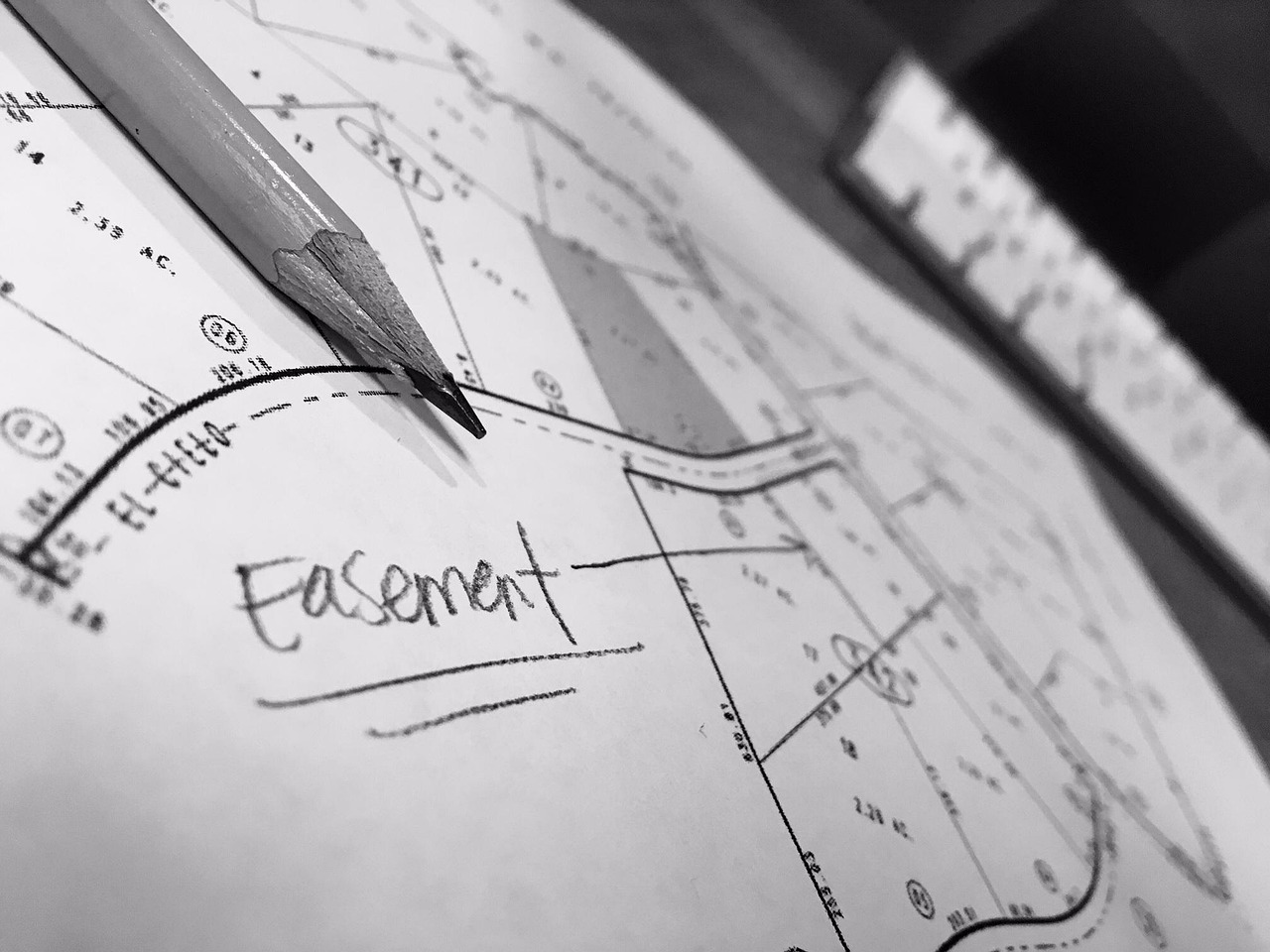
Beyond the basic definition, the most misunderstood aspect of an easement is how limited—but enforceable—it is. An easement does not grant possession, but it does grant a legally protected right that courts will enforce against the landowner. This means that even if the property owner never agreed personally to the easement, they are still bound by it if it was properly created and recorded.
Courts often emphasize that easements are property interests, not informal permissions. Unlike a revocable license (such as allowing a neighbor to temporarily park on your land), an easement survives changes in ownership and can be enforced through injunctions or damages. Homeowners who mistakenly treat easements as “optional” often face court orders requiring them to remove fences, landscaping, or structures built in violation of the easement’s scope.
Understanding this distinction helps homeowners avoid costly mistakes—particularly when renovating, adding structures, or altering access points.
Servient vs. Dominant Estates
The relationship between servient and dominant estates also determines maintenance obligations and liability. In many cases, the dominant estate holder is responsible for maintaining the easement area, but this depends on the original easement language and state law.
Disputes often arise when:
- The servient owner blocks access
- The dominant owner exceeds the scope of use
- Damage occurs during use or maintenance
Courts typically interpret ambiguities in easement language narrowly, favoring the least burdensome use of the servient estate. This makes precise wording in recorded easements critically important.
Affirmative vs. Negative Easements
Negative easements deserve special attention because they directly restrict development rights. While rare in residential settings, they frequently appear in historic districts, planned communities, and scenic preservation areas. These easements may prohibit building height, tree removal, or alterations that interfere with light, air, or view corridors.
Because negative easements reduce future development flexibility, they are often scrutinized closely during resale and financing.
2. The Core Categories of Easements
what is an easement around a property?
Easements around a property are often mistaken for zoning rules, but they are legally distinct. While zoning laws are public regulations, easements are private property interests that can exist even when zoning would otherwise allow construction.
Perimeter easements frequently include:
- Drainage easements preventing grading changes
- Shared driveway easements requiring continued access
- Setback easements imposed by developers
Homeowners often discover these easements only after applying for building permits, at which point redesign or variance requests may be required. Because easements are enforceable regardless of zoning approval, compliance with both is necessary.
what is a utility easement on a property
Utility easements also vary in scope and access rights. Some allow only underground installation, while others permit surface access, heavy machinery, or vegetation removal. Many homeowners are unaware that utility providers may legally enter easement areas without advance notice for emergency repairs.
Another overlooked issue is expansion rights. Some utility easements allow future upgrades, such as larger pipelines or additional cables, which can further limit land use over time.
Private vs. Public Easements
Public easements raise unique concerns because they often involve constitutional and statutory protections. For example, beach access easements and sidewalk easements may be protected under public trust doctrines, making them difficult or impossible to extinguish.
Private easements, by contrast, are governed primarily by contract principles and property law, allowing more flexibility for negotiation, relocation, or termination under certain conditions.
3. How Easements are Created and Discovered
Express Easements: The Written Agreement
Express easements are only as strong as their drafting. Poorly written easements often fail to define:
- Exact location
- Width or boundaries
- Permitted uses
- Maintenance responsibilities
Ambiguous language frequently leads to litigation, especially when land use intensifies over time. Courts typically look to the original intent of the parties, surrounding circumstances, and historical use to interpret unclear terms.
Easements by Necessity and Implication
Easements by necessity are rooted in fairness but are strictly limited. Courts generally terminate these easements once the necessity no longer exists, such as when alternate access becomes available.
Implied easements, meanwhile, depend heavily on pre-division land use. If access, drainage, or utility use was apparent and continuous before land subdivision, courts may imply an easement even without written documentation—often surprising current owners.
Prescriptive Easements: The “Squatter’s” Right of Way
Prescriptive easements are among the most contentious because they arise without consent. Property owners often mistakenly assume that tolerance prevents legal claims, but prolonged inaction may actually strengthen a prescriptive claim.
Unlike adverse possession, prescriptive easements do not require exclusivity. This means even shared use—such as a frequently used path—may mature into a legally protected right if statutory requirements are met.
4. Impact on Property Value and Ownership

what happens to an easement when a property is sold
Most easements—particularly appurtenant easements—run with the land, meaning they automatically transfer to new owners when a property is sold. The buyer steps into the shoes of the prior owner and assumes the same legal obligations and restrictions, regardless of whether they were personally aware of the easement at the time of purchase.
This is why title searches and title insurance are critical in real estate transactions. Easements are typically disclosed in the title commitment, deed, or recorded plats. However, buyers who skip due diligence—or rely solely on visual inspections—may discover easements only after closing. Courts generally reject arguments that a buyer was “unaware,” as properly recorded easements provide constructive notice.
Mortgage lenders also review easements carefully. Certain easements—especially access or utility easements—are considered normal and acceptable, while others may raise concerns about habitability, access, or future resale. In extreme cases, undisclosed easements can delay financing or derail transactions entirely.
Usage Limitations: What You Can and Can’t Do
Owning property subject to an easement does not eliminate ownership, but it limits how that portion of land may be used. Property owners generally cannot block, narrow, relocate, or interfere with the easement holder’s rights without legal authorization.
Common violations include building fences, sheds, patios, pools, or driveways within easement boundaries. Even landscaping—such as planting trees over underground utility lines—may violate easement terms. Utility providers often have the legal authority to enter the property without notice and remove obstructions to access their infrastructure.
A critical misconception is that long-term obstruction voids an easement. In reality, unauthorized structures may be removed at the property owner’s expense, even decades later, if access is required.
Marketability and Resale Value
Routine easements, such as underground utility lines or shared access paths, rarely deter buyers. However, high-impact easements—including transmission line easements, conservation easements, or broad access rights—can significantly reduce buyer interest and perceived value.
Appraisers may factor easements into valuation when they limit buildable area, future expansion, or aesthetic appeal. In cases where easements are imposed through eminent domain or government action, property owners may be entitled to just compensation, calculated based on diminished market value rather than land area alone.
5. Terminating and Disputing Easements
How an Easement Ends
- Easements are generally intended to be durable, but they are not always permanent. Termination depends on the type of easement, its purpose, and documented intent.
- Merger: When a single owner acquires both the dominant and servient estates, the easement typically terminates automatically, as no separate use right is necessary.
- Abandonment: Non-use alone is insufficient. Courts require clear evidence that the easement holder intended to permanently abandon the right, such as physical removal of access or written disclaimers.
- Expiration: Some easements are created for a specific duration or purpose and terminate once that purpose is fulfilled or the time period ends.
Because termination often requires recorded documentation, failure to formally release an easement can leave “clouds on title” even after practical use has ceased.
Resolving Easement Disputes
Easement disputes commonly arise over scope, location, maintenance responsibilities, or interference. Many conflicts are resolved through negotiation, including relocation agreements or modifications that preserve access while reducing burden.
When negotiation fails, legal remedies may include injunctions, damages, or quiet title actions. A quiet title action is used to formally clarify or eliminate outdated, ambiguous, or improperly recorded easements. Courts rely heavily on historical use, recorded documents, and statutory requirements when resolving these disputes.
Early resolution is critical, as unresolved easement disputes can delay sales, block refinancing, and significantly reduce property value.
Easement Disputes in Texas: A Local Legal Perspective
While easement principles are broadly consistent across jurisdictions, Texas property law presents several state-specific considerations that frequently arise in easement disputes. Texas courts have a long history of addressing conflicts involving access rights, utility easements, and rural land use—particularly in cases involving large parcels, subdivided tracts, and historically informal access arrangements.
Texas recognizes multiple methods of easement creation, including express grants, necessity, implication, and prescription. However, prescriptive easement claims in Texas are subject to strict evidentiary standards, and courts closely examine the nature of use, permission, and exclusivity. Similarly, disputes involving utility easements often hinge on the precise language of recorded instruments and whether use exceeds the original scope of the easement.
Another recurring issue in Texas involves easements affecting landlocked property, where courts balance practical access needs against the burden imposed on the servient estate. Because Texas property records often extend back decades, disputes may also involve outdated plats or ambiguous descriptions that require judicial interpretation.
Understanding how general easement principles are applied under Texas law highlights the importance of state-specific analysis when evaluating land use rights and resolving conflicts.
Key Legal Takeaways on Property Easements
An easement is a legally enforceable property interest, not a personal permission, and it binds current and future owners when properly created and recorded.
- Most easements run with the land, meaning transfer of ownership does not extinguish the associated rights or restrictions.
- The scope of an easement is determined by its original grant, historical use, and applicable state law, not by informal practice or assumption.
- Interference with an easement—whether intentional or accidental—may give rise to legal remedies, including injunctive relief or damages.
- Easements can materially affect land use, development potential, valuation, and marketability, particularly when they impose affirmative access or use restrictions.
- Termination or modification of an easement generally requires clear legal grounds and documented action, not mere non-use.
Further Reading
- FindLaw – Easement Basics
- American Bar Association – Property Rights
- Cornell Law School Legal Information Institute – Easements
Frequently Asked Questions on Property Easements
What is a property easement?
A property easement is a legally recognized, nonpossessory right that allows a person or entity to use another party’s land for a specific purpose without owning the land.
Does an easement give ownership rights over land?
No. An easement grants only a limited right of use. Legal title and ownership of the land remain with the property owner, subject to the easement’s terms.
Do easements transfer when property is sold?
Most easements, particularly appurtenant easements, run with the land and automatically bind subsequent owners when the property is transferred.
Can a property owner interfere with or block an easement?
Generally, no. A property owner may not obstruct or interfere with an easement holder’s lawful use unless the easement is legally terminated or modified.
How are property easements typically discovered?
Easements are usually identified through recorded deeds, title searches, surveys, or subdivision plats reviewed during a property transaction.
What is the difference between a prescriptive easement and adverse possession?
A prescriptive easement grants a right of use after prolonged unauthorized use, while adverse possession may result in full ownership if statutory requirements are met.

